E-Invoicing Pro: Simplifying Invoicing for Modern Business
Discover how E-Invoicing Pro simplifies invoice processing with SAP S/4HANA integration, automation, real-time tracking, and regulatory compliance.
Introduction
In today's digital world, businesses need more efficient, reliable, and compliant invoicing solutions to stay competitive. Manual processes or complicated legacy systems often lead to billing errors, and inaccurate costs. E-Invoicing Pro is designed to address these challenges by offering a seamless, cost-effective, and fully integrated e-invoicing solution tailored for SAP S/4HANA buyers and other Private Cloud users.

Why Businesses Choose E-Invoicing Pro
- Cost-Effective with No Hidden Charges: E-Invoicing Pro eliminates expensive middleware and software licensing fees, providing a transparent pricing model that ensures a high return on investment.
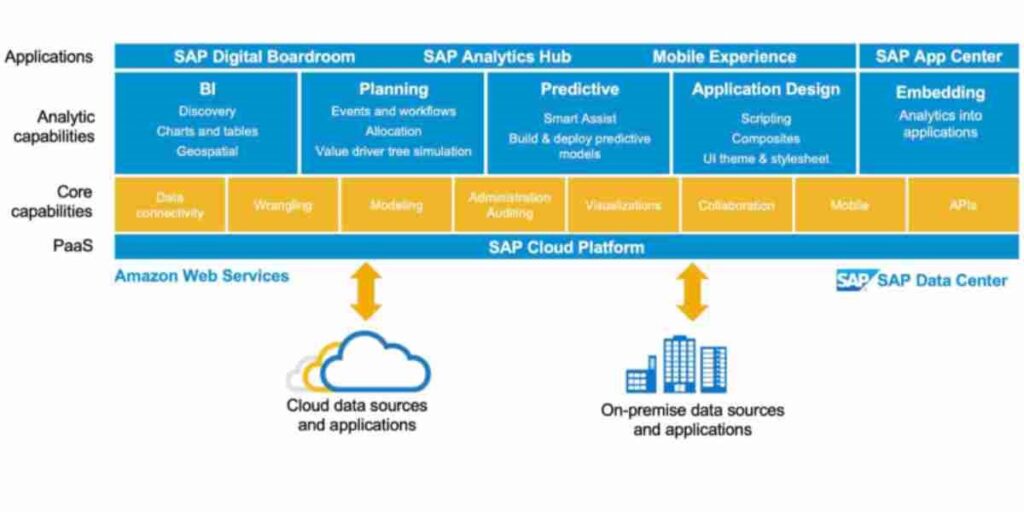
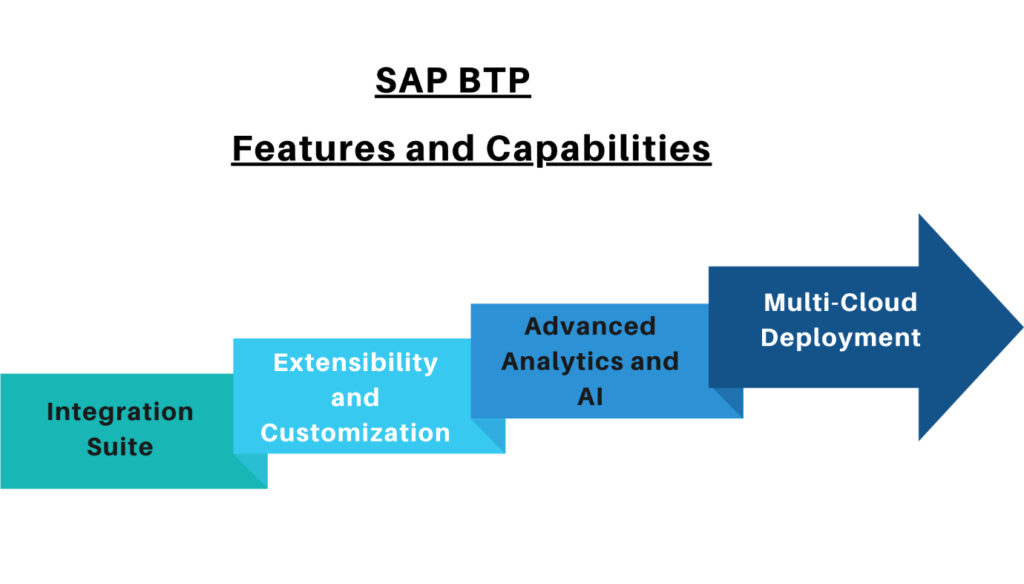
- Native SAP S/4HANA Integration: Built on SAP's Business Technology Platform (BTP), E-Invoicing Pro integrates directly with SAP S/4HANA systems without requiring external middleware. This reduces implementation time and simplifies IT management.
- Complete Automation: Automate the entire invoicing process—from invoice creation and submission to government portals, to real-time tracking of approvals, and mass distribution via print or email.
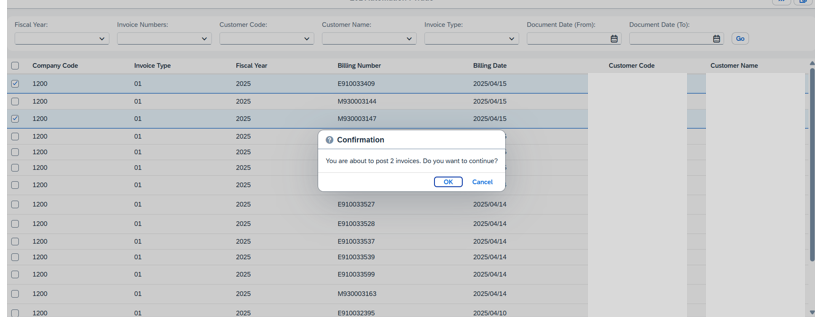
- User-Friendly and Customizable: The platform offers an intuitive interface that requires minimal training and can be customized to fit your unique business workflows and compliance needs.
- Real-Time Invoice Status Updates: Monitor invoice acceptance or rejection instantly, allowing faster follow-ups and improved cash flow management.
- Regulatory Compliance Made Simple: Stay compliant with government mandates such as GST e-invoicing, including automatic generation of Invoice Reference Numbers (IRN) and QR codes for easy verification.
Unique Features of E-Invoicing Pro
- Middleware-Free Architecture: By leveraging SAP BTP, E-Invoicing Pro removes the need for costly middleware, reducing complexity and ongoing maintenance.
- Tailored Customizations: Adapt invoice templates, approval workflows, and reporting to meet specific business requirements while ensuring compliance.
- Mass Invoice Distribution: Efficiently print or email large volumes of approved invoices to customers, saving time and administrative effort.
- Flexible Invoice Format Support: Handle a variety of invoice formats including structured (XML, JSON, UBL), unstructured (PDF), ensuring compatibility with diverse regulatory and partner requirements.
Invoice Formats Managing Different
E-Invoicing Pro supports a wide range of invoice formats to meet the needs of various industries and jurisdictions:
- Structured Formats: Machine-readable formats like XML and JSON enable automated data exchange and regulatory compliance.
- Unstructured Formats (PDFs): Generate human-readable invoices for easy viewing and record-keeping. While PDFs are not inherently machine-readable, they remain widely used for their flexibility.
- Hybrid Formats: Combine the best of both worlds by embedding structured data within PDFs (e.g., ZUGFeRD, Factur-X), allowing both automated processing and human readability.
Handling PDFs and Unstructured Invoices
While PDFs are convenient for visual inspection and sharing, they lack inherent automation capabilities. E-Invoicing Pro:

- Produces compliant, easy-to-read PDF invoices for customers and partners.
- Supports hybrid formats embedding structured data within PDFs to enable automation without sacrificing readability.
- Ensures compliance with local regulations when using unstructured or hybrid formats.
- Recognizes that fully automated processing of pure PDFs may require additional tools like OCR, which can introduce errors, hence encouraging hybrid or structured formats where possible.
How E-Invoicing Pro Compares to Other Solutions
| Feature/Aspect | E-Invoicing Pro | Other E-Invoicing Solutions |
|---|---|---|
| SAP Integration | Direct BTP-based deep-native, no middleware | Often requires middleware or manual setup |
| Cost Structure | Transparent pricing, no hidden costs | Digital licensing costs, hidden setup costs |
| User Experience | Intuitive, customizable, minimal training | Often more complex, lengthy learning curve |
| Automation | End-to-end automation with real-time tracking | Many offer automation, some include basic features |
| Compliance | Built-in GST and government mandate compliance | Superior national regulations, integration varies |
Summary
E-Invoicing Pro is a powerful SAP-centric e-invoicing solution that simplifies compliance, reduces costs, and automates the entire invoicing lifecycle. Its unique integration with S/4HANA, robust SAP compliance, and flexible branding capabilities for multiple budget ranges - including PDFs and other sophisticated web-based and offering comprehensive compliance within the SAP ecosystem.
By choosing E-Invoicing Pro, businesses can unlock operational, procurement-focused efficiency, meet compliance mandates - all while improving its process flow, efficiency and better efficiency for their clients.
Ready to revolutionize your invoicing process? Get 10 hours total to discover how E-Invoicing Pro can help your business save costs and boost efficiency.
To read more of our blogs you can surely click here .
Check out other video blogs.
Disclaimer: All the opinions are solely for information purposes, and the author doesn’t recommend or reject any tools. It should be done after your own due diligence.
Related Topics
#E-Invoicing#SAP S/4HANA#SAP BTP#GST Compliance#Invoice Automation#E-Invoice Integration#Digital Invoicing#IRN and QR Code