SAP CPI – Turbocharge your Integration Solutions
Discover how SAP CPI connects SAP and non-SAP systems through cloud-based integration, real-time data exchange, APIs, automation, and scalable integration flows.

Introduction
Most organizations are moving towards either public or private cloud solutions for SAP S/4HANA and are increasingly focusing on a cloud-first strategy. As a result, integration has become the backbone of modern businesses, connecting various heterogeneous systems and architectures.
And yes, the clock for S/4HANA is ticking for ECC customers!!
In the constantly evolving field of enterprise software, companies are constantly looking for ways to optimize their operations and make processes more efficient. Although the cloud has been a topic of discussion for a long time, companies still prefer to utilize on-premises solutions or, as a last resort, hybrid solutions.
SAP plans to change this statistic and place a strong emphasis on cloud and private cloud solutions. The release of the cloud version of S/4HANA and the company’s subsequent actions show just that. For many organizations, SAP PI (Process Integration) has been a trusted tool for managing the integration of various systems and applications.
However, as technology advances and cloud-based solutions catch on, organizations find SAP Cloud Platform Integration (CPI) a more attractive option for managing integration scenarios.
CPI is one piece of evidence to support this theory. This tool is designed to define a process flow between systems, or in other words to change the data or its processing algorithm.
When SAP designed cloud solutions, they also adapted their system language to the latest requirements. Thus, ABAP Cloud was born and you have been hearing about innovations in programming focused in that area.
But for CPI, the technologies which are used to model I-Flows (Integration Flows) are Java, JavaScript, and Groovy Script. People familiar with Java will find it more interesting.
However, there are so many standard scenarios available in CPI for Integration between various systems with some of them out of the box, that is really powerful as well as biggest value of business to go for low turnaround sprint based Agile Implementations.
SAP PI/PO
SAP PI/PO (Process Integration/Enterprise Services) is a middleware platform that enables organizations to integrate their various systems, applications and data. It’s a powerful tool that companies of all sizes have used to connect SAP and non-SAP systems, streamline processes, streamline communication, and improve overall efficiency.
Here are some of the key benefits of using SAP PI/PO:
- Integration of different systems and applications: SAP PI/PO can integrate a wide variety of systems, including SAP and non-SAP systems, mainframes and cloud applications.
- It enables organizations to create a unified view of their data and processes.
- Streamlined Processes: SAP PI/PO can automate and simplify business processes, which can help improve efficiency and reduce costs.
- Improved Data Exchange: SAP PI/PO can securely exchange data between systems, which can help improve communication and collaboration across the organization.
- SAP PI/PO offers better flexibility, enabling organizations to easily adapt to changing business needs and respond more flexibly and responsively to market changes.
- SAP PI/PO is a well-established platform that companies have been using for years. It is a reliable solution with a proven track record of success. However, SAP has announced that it will end standard support for SAP PI/PO in 2027. This means that organizations should start planning for the transition to a new integration platform.
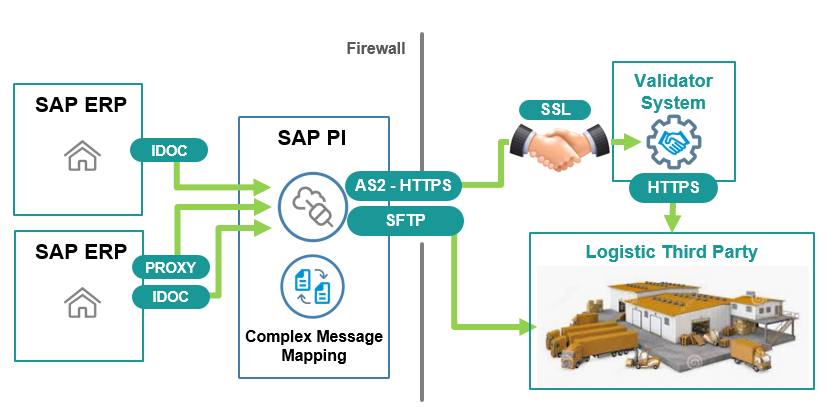
Why move from SAP PI/PO to SAP CPI??

Appropriate Infrastructure: SAP PI/PO is an on-premises platform, meaning that organizations are responsible for purchasing, maintaining and updating their own hardware and software infrastructure. This can be a significant cost burden and can also be difficult to manage.
Limited Scalability: SAP PI/PO is not as scalable as SAP CPI. This means that organizations may need to invest in additional hardware and software as their business grows.
End of normal support: SAP has announced that it will end normal support for SAP PI/PO in 2027. This means that organizations should start planning for the transition to a new integration platform.
SAP CPI
SAP Cloud Platform Integration (SAP CPI) is a powerful and flexible cloud-based integration platform that enables companies to connect their disparate systems and applications. It offers a wide range of features and capabilities that can be used to solve various integration problems. Here are some of the most common uses of SAP CPI today.
Integration of SAP and non-SAP systems: SAP CPI can integrate SAP systems such as SAP ERP, SAP S/4HANA and SAP SuccessFactors with non-SAP systems such as Salesforce, Oracle and Microsoft Dynamics.
In this way, companies can integrate their core business processes and data across different platforms.
Enable real-time integration: SAP CPI can be used for real-time integration of systems, which means that data can be exchanged almost in real time.
This can be useful in applications that require real-time data synchronization, such as supply chain management and customer relationship management.
Development of Enterprise Application Integration (EAI) solutions: SAP CPI can be used to develop EAI solutions that connect a wide variety of systems and applications. It can help businesses streamline their processes, reduce costs and improve efficiency.
Building API management solutions: SAP CPI enables the creation of API management solutions, enhancing security and compliance by controlling data access. It connects to IoT devices, gathering real-time data for applications like predictive maintenance. Moreover, it orchestrates business processes, automating and managing their execution across multiple systems to improve efficiency and reduce costs.
In addition to these general uses, SAP CPI can be used for many other purposes, including:
Data Flow: SAP CPI facilitates data flow between systems, benefiting applications like data analytics and machine learning. It supports custom application development, integrating with other systems. It also integrates with cloud-based services like AWS and Microsoft Azure. Additionally, it integrates with mobile applications for tasks such as customer service and field service management.
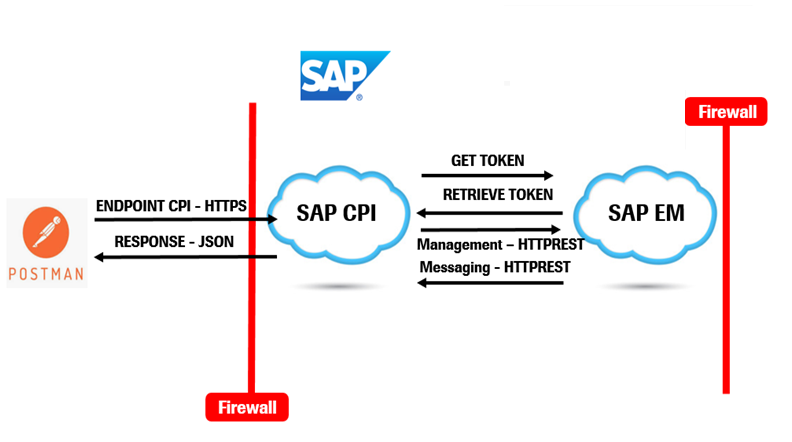
Factors driving the transition from SAP PI to CPI
- Cloud-based approach: Companies are increasingly adopting cloud-based solutions to improve flexibility, scalability and cost-effectiveness. SAP CPI fits perfectly with this cloud-based approach.
- Reduced complexity: SAP CPI simplifies integration scenarios with an intuitive graphical user interface and discoverable connectors. This reduces the need for extensive coding and makes it more accessible to a wider user base.
- Continuous innovation: SAP CPI is constantly evolving with new features and capabilities, ensuring companies stay at the forefront of integration technology.
Migration planning
A well-planned migration strategy is critical for a successful transition from SAP PI to SAP CPI. Here are some key steps to consider.
- Assessment: Perform a comprehensive assessment of your existing SAP PI environment.
- Planning: Create a detailed migration plan that includes timelines, responsibilities, and resource allocation.
- Proof of Concept: Create a proof-of-concept environment to test the migration process and identify potential issues.
- Migration: Complete the migration plan and closely monitor the process to ensure smooth integration with existing systems.
- Post-migration: Provide ongoing support and training to ensure users are comfortable with the new platform and can effectively manage integrations.
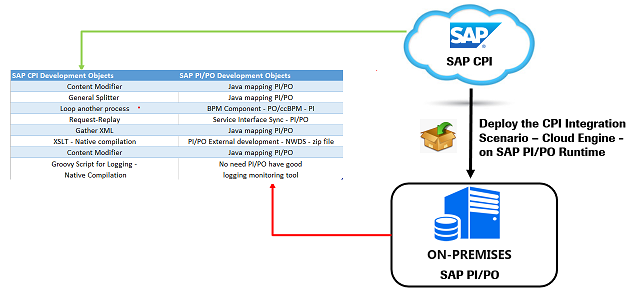
Benefits of Moving from SAP PI/PO to SAP CPI:
- Lower costs: Cloud-based deployments eliminate the need for on-premises infrastructure, reducing hardware and maintenance costs.
- Enhanced Flexibility: SAP CPI pre-built connectors and intuitive user interface accelerate integration development and implementation.
- Scalability: SAP CPI scales seamlessly to meet evolving business needs and ensures integrations can handle increasing data volumes and transaction speeds.
- Innovation: Continuous updates and new features keep companies at the forefront of integration technology.
Conclusion
The transition from SAP PI to SAP CPI is a significant step forward in integration technology. With cloud-based integration, companies can streamline operations, improve agility and reduce costs, ensuring that integrations remain future-proof. With careful planning and implementation, organizations can take full advantage of SAP CPI and improve their digital transformation initiatives.
To read more of our blogs you can surely click here .
Check out other video blogs.
Disclaimer: All the opinions are solely for information purposes, and the author doesn’t recommend or reject any tools. It should be done after your own due diligence.
Related Topics
#SAP CPI#SAP Cloud Integration#SAP PI/PO#SAP Integration Suite#iFlow#Cloud Integration Strategy#SAP S/4HANA#SAP BTP