Key Preparations Before Starting Your Legal & Management Consolidation Projects
Explore key steps for successful legal and management consolidation projects, including reporting requirements, data governance, intercompany eliminations, compliance, technology selection, and testing.

Introduction
Starting a Legal & Management Consolidation project can seem overwhelming, notably if you are dealing with multiple businesses, different countries, and various financial systems. Preparing well is the key to ensuring everything goes smoothly and you avoid sudden problems later. Here is a step-by-step guide to help you get started.
Understand Your Current Financial Setup

Before diving into consolidation, it is important to understand how your company’s financial system works. Take the time to learn how your organization currently manages its fiscal coverage. Look at the systems, reports, and processes used for Legal (statutory) consolidation (the one required by law) and Management Consolidation (internal performance tracking).
What to Look At:
- Chart of Accounts: A list of all the accounts your company uses to record financial transactions.
- Entity Structures: The relationship between different businesses in your group and how much ownership each one has.
- Local vs. Group Reporting: How individual entities report their finances versus how the whole group reports.
- Data Sources: Where the financial information comes from (e.g., ERP systems like SAP).
Clarify Your Legal and Management Reporting Needs
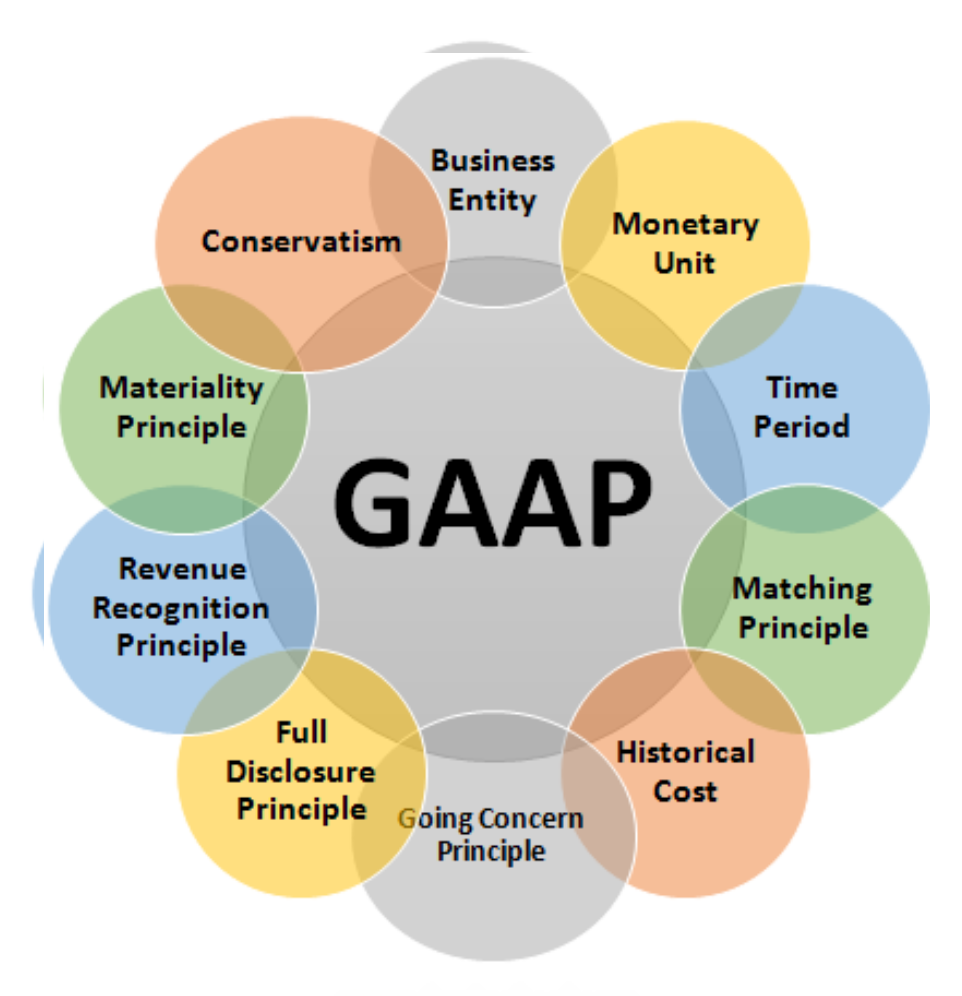
Legal Consolidation is done to comply with statutory accounting rules (like IFRS or GAAP) while Management Consolidation is for internal purposes to track effectiveness. Get clear on the requirements for both types of reports before you start your project.
Questions to Ask:
- Does your company report using IFRS or Local GAAP?
- How will you manage Intercompany Eliminations (transactions between companies in your group that need to be removed to avoid double counting)?
- What key Performance Indicators (KPIs) do you need to track for internal reporting?
- Are there any Mergers or Acquisitions you need to account for?
Make sure your consolidation software can handle both legal and management requirements. Tools like SAP S/4 Hana Group Reporting can help with both in one solution.
Set Up a Data Governance System
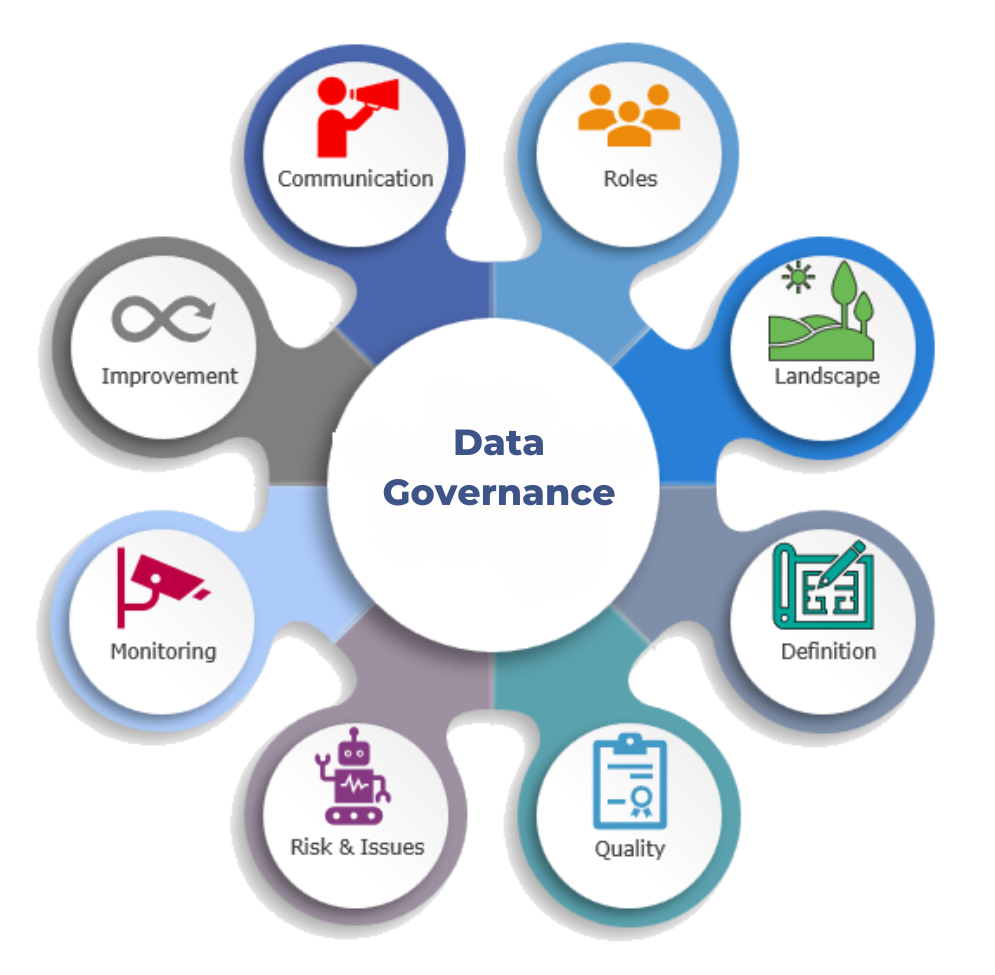
Consolidating financial information from different sources can lead to mistakes if the information is not managed properly. That’s why you need a strong data governance system — a set of rules to check that the information you use is accurate, consistent, and reliable.
What to Think About:
- Data Validation Rules: How will you check that the data is accurate?
- Master Data Management: How will you organize key data (like entities, cost centers, and profit centers)?
- Currency Conversion: How will you handle financial information in different currencies?
Plan for Change Management

When you change how your company consolidates its finances, it affects many departments—finance, IT, operations, etc. That’s why you need a change management plan to ensure everyone is aligned and ready to adapt to the new system.
Steps to Follow:
- Get key people (CFO, controllers, IT leaders) involved early in the process.
- Assign clear Roles and Responsibilities to the project team.
- Develop a Communication and Training Plan to help users get familiar with new tools and processes.
By regularly training your staff and asking for feedback, you ensure a smooth transition to the new system.
Choose the Right Technology
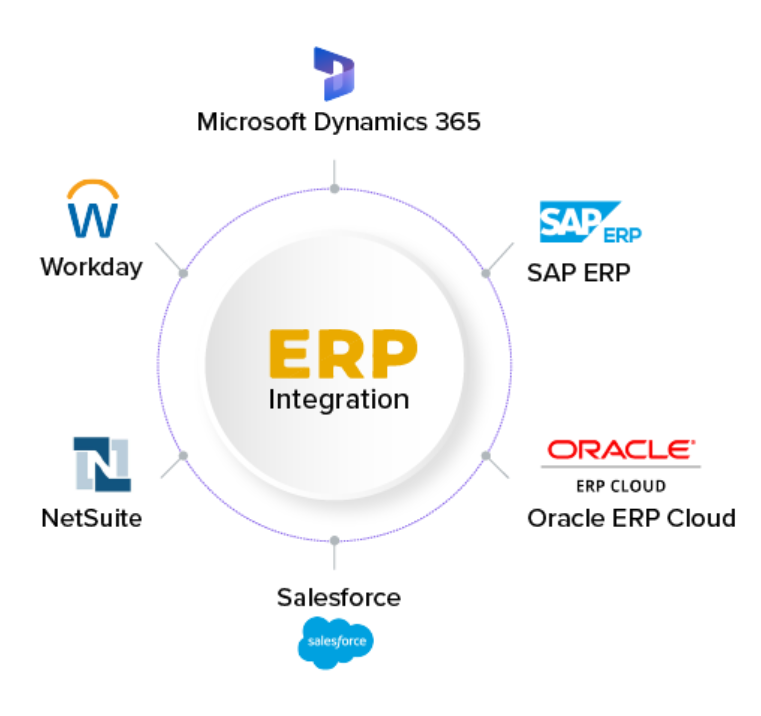
Having the right technology in place is essential for a successful consolidation project. If your company is large with many entities, you may need specialized software.
What to Consider:
- Can the platform handle Real-Time Consolidations (instant updates when new financial data is available)?
- Does it Integrate with existing ERP Systems (like SAP or Oracle)?
- Can it support Multi-Currency and Multi-GAAP (for companies operating in different countries)?
- Will it be flexible enough to adapt to future regulatory changes?
SAP S/4HANA Group Reporting is one example of a tool that combines financial information and consolidation methods, making it easier for large organizations.
Create a Detailed Project Plan
Once you have your technology in place, it’s time to make a detailed project plan. Integration projects get complex, so having a clear roadmap with milestones and deadlines will keep the project on track.
Important Milestones:
- Data extraction and analysis: Gathering and reviewing financial data.
- Configuring consolidation rules: Setting up rules for eliminations, currency translations, etc.
- Testing the system: Checking to make sure everything works as expected.
- Go-live and post-go-live support: Launching the new system and providing support after launch.
Break the project into phases like design, build, test, and deploy, and make sure you leave enough time for testing.
Plan for Intercompany Transactions and Eliminations
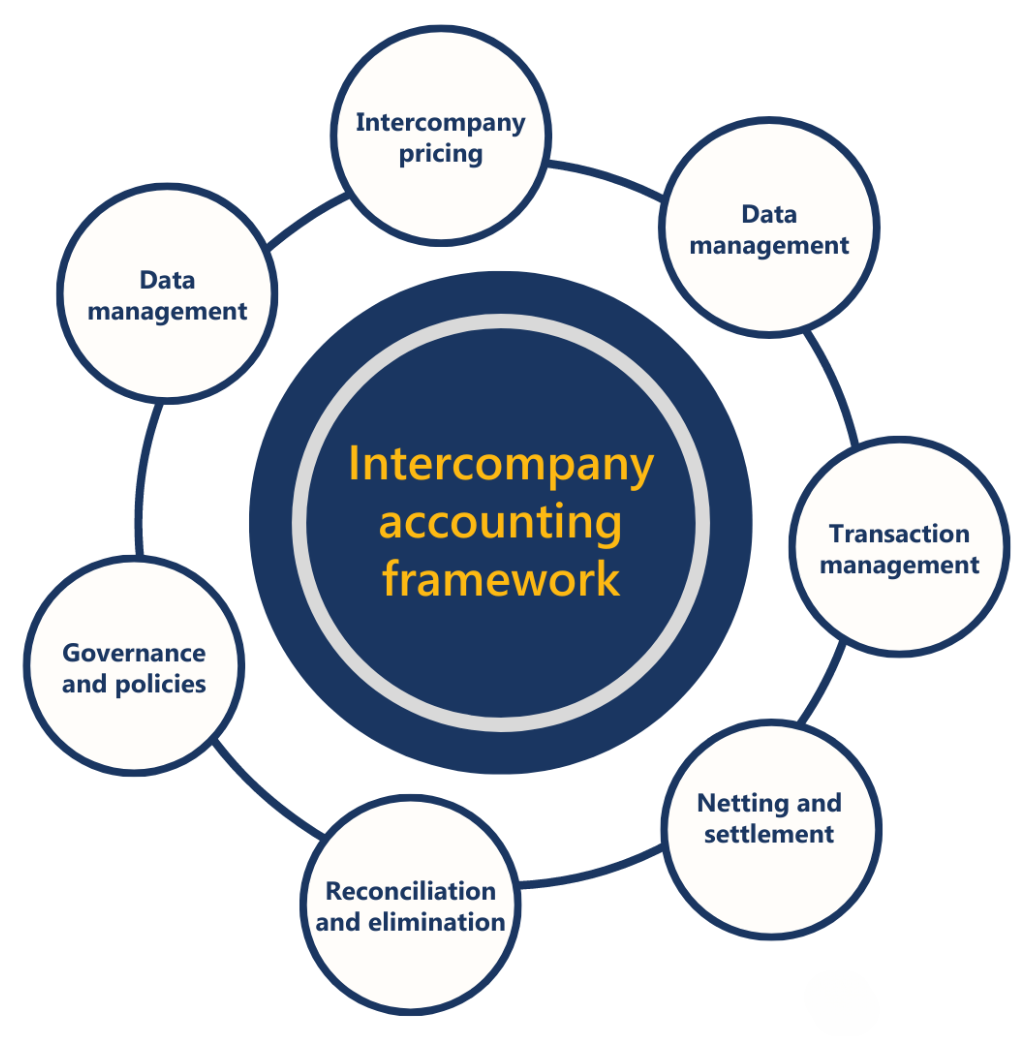
When different companies within your group do business with each other, those intercompany transactions need to be eliminated during consolidation to avoid double-counting.
Steps to Follow:
- Identify all intercompany balances (e.g., sales, loans, dividends).
- Develop elimination rules for these transactions.
- Make sure all companies are using the same process for reconciling intercompany balances.
Understand Tax and Regulatory Compliance
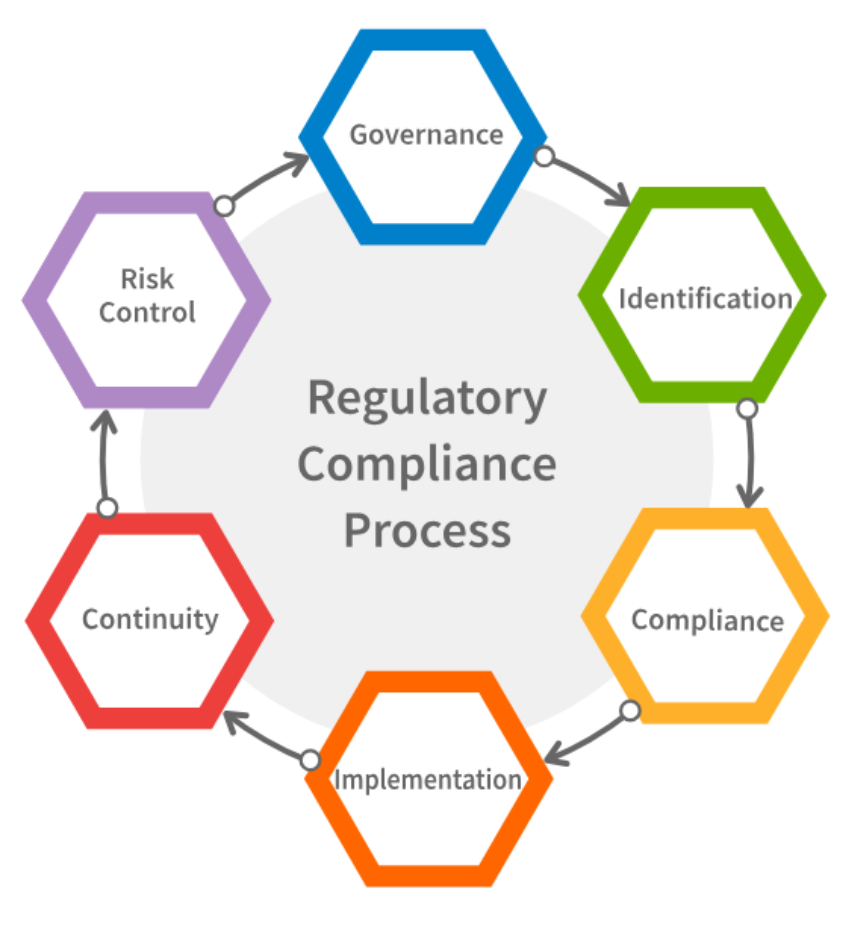
Every country has different tax and regulatory requirements which you need to consider during consolidation. If you don’t adhere, you risk penalties or delays in your reporting.
Things to Consider:
- Understand local tax provisions and statutory filing requirements for each entity.
- Align transfer pricing policies between group and local reports.
- Make sure your system can handle country-specific reporting requirements (like XBRL filings).
Automate Data Integration
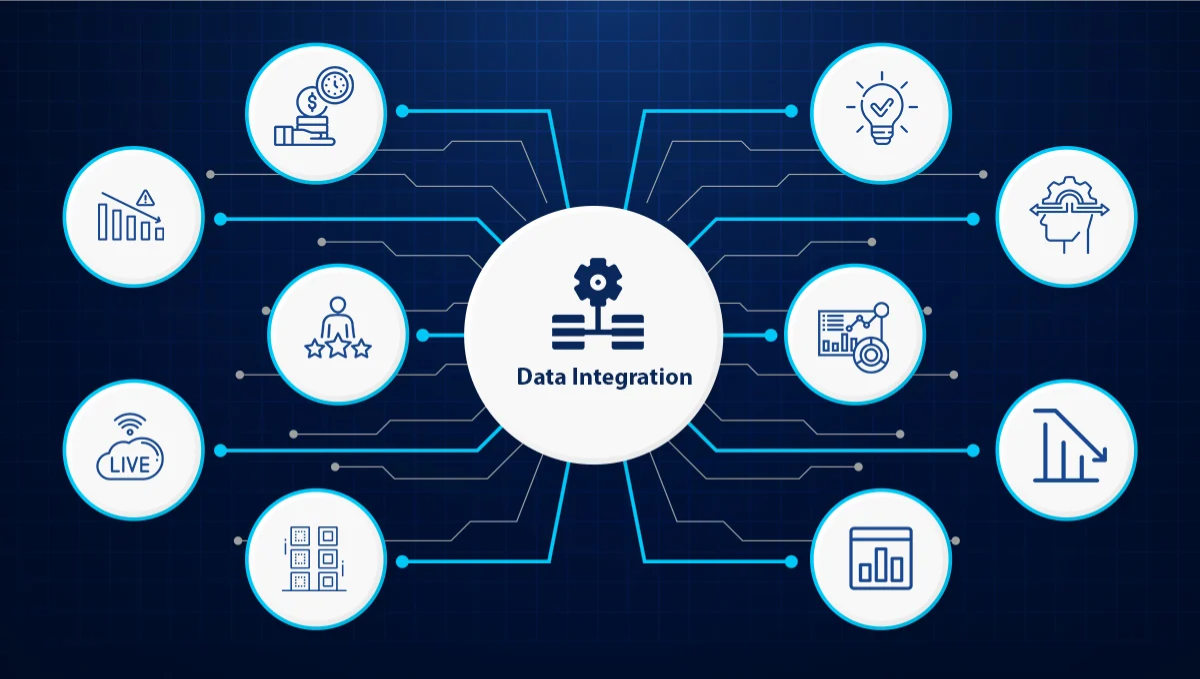
Consolidation involves gathering financial data from various sources, and doing this manually can lead to mistakes. Automating the process will save time and improve accuracy.
What to Focus On:
- Integrating data from different ERP systems (e.g., SAP, Oracle).
- Automating data extraction, transformation, and loading (ETL).
- Setting up data validation workflows to check for errors.
Define Ownership Structures and Adjustments
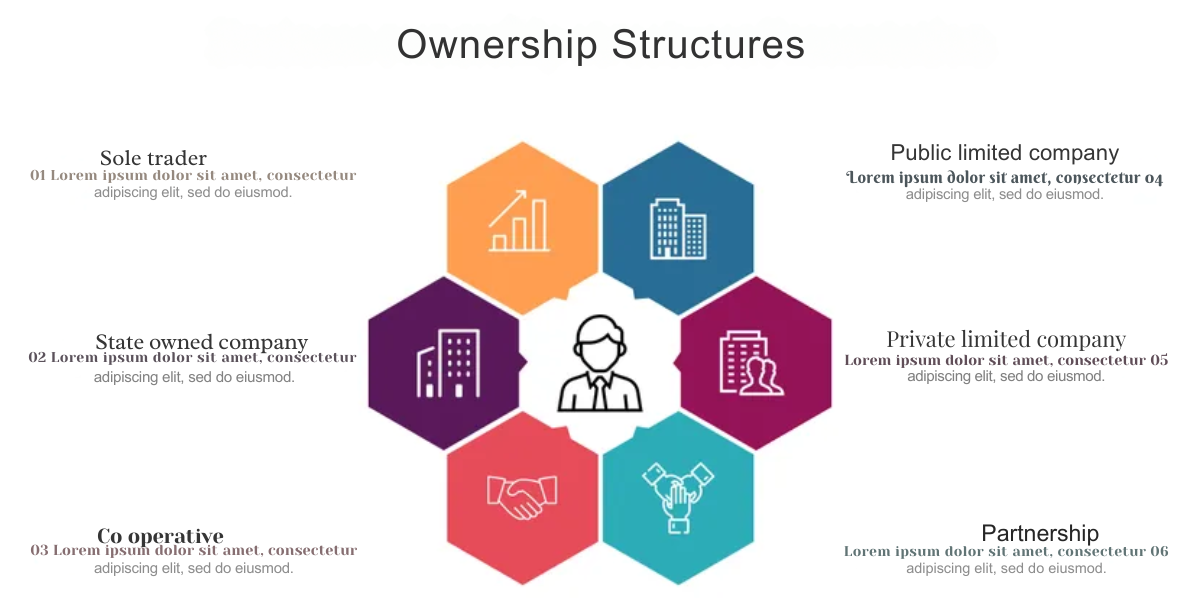
In a large company, ownership structures can be complicated, especially if you have partial ownership of certain businesses. You need to define how these structures will be accounted for during consolidation.
Steps to Take:
- Define how minority interests (when you don't own 100% of a company) will be handled.
- Set up rules for equity adjustments when ownership changes.
- Prepare for mergers, acquisitions, and divestitures, and how these events will be reflected in the financial reports.
Handle Multiple Currencies and Exchange Rates
If your company operates in different countries, you need to handle multi-currency transactions. You need a plan for how to convert those currencies during consolidation.
Key Considerations:
- How will you translate financial data from foreign subsidiaries?
- What method will you use to account for currency translation?
- When will you set the exchange rates used for consolidation?
Prepare for Different Scenarios
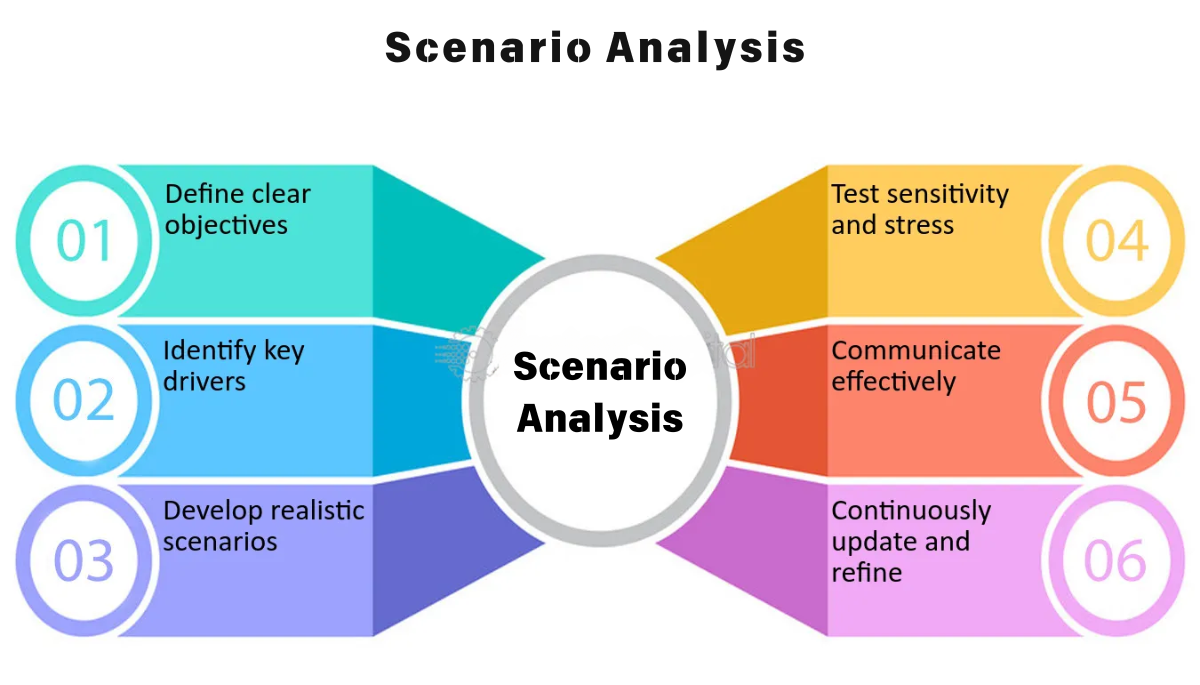
Your consolidation solution should be flexible enough to handle different reporting needs and scenarios like changes in the business structure or new regulatory requirements.
Steps to Follow:
- Prepare for different reporting scenarios (e.g., different fiscal years or periods).
- Simulate the impact of mergers, restructuring, or acquisitions on the financial reports.
- Implement flexible reporting structures to allow for scenario analysis.
Monitor Performance and Control
Once the consolidation method is set up, you need to keep an eye on its effectiveness and put controls in place to make sure everything runs smoothly.
What to Do:
- Set up KPIs to monitor performance (e.g., how quickly and accurately the data is consolidated).
- Use automated controls to validate data and eliminate errors.
- Regularly review system logs and audit trails to ensure compliance.
Test Everything Before Going Live
Before you start your new system, run extensive tests to make sure everything works correctly. You need to run the old and new systems in parallel for a period to compare results.
Steps to Include:
- Run tests for different consolidation scenarios.
- Perform parallel runs (use both old and new systems at the same time) to check for discrepancies.
- Involve end-users in testing to ensure that reports and adjustments are accurate.
Conclusion
Starting a Legal & Management Consolidation project requires careful planning and preparation. By assessing your financial setup, clarifying your reporting needs, setting up strong data governance, and choosing the right technology, you can lay the groundwork for a successful consolidation process.
To read more of our blogs you can surely click here .
Check out other video blogs.
Disclaimer: All the opinions are solely for information purposes, and the author doesn’t recommend or reject any tools. It should be done after your own due diligence.
Related Topics
#Financial Consolidation#Legal Consolidation#Management Consolidation#SAP S/4HANA Group Reporting#Intercompany Eliminations#Data Governance#Change Management#Multi-Currency